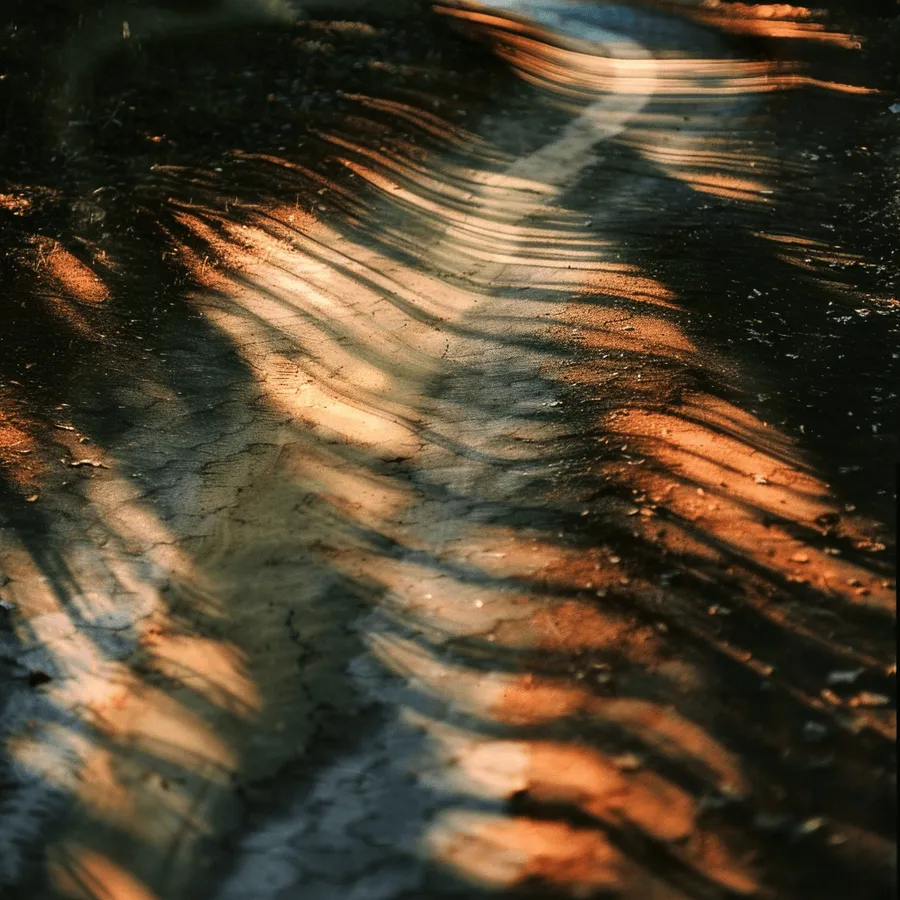
Shadow bands
Just before and after totality, shimmering wavy lines of alternating light and dark appear on plain, pale surfaces. These “shadow bands” are caused by Earth’s atmosphere refracting the last few rays of sunlight.
Wednesday, August 12, 2026 · Evening over Europe
The Moon will completely cover the Sun over Iceland and northern Spain, turning evening into night for up to 2 minutes 18 seconds, while nearly all of Europe watches a deep partial eclipse at sunset.
2 min 18 s
Maximum length of totality: the Moon is near its closest point to Earth
~20:30
Local time of totality in Spain (CEST): a rare “sunset eclipse”
27 years
Since mainland Europe last saw totality (August 11, 1999)
The Moon’s shadow first touches down in the Russian Arctic, sweeps across eastern Greenland, crosses western Iceland (including Reykjavík), then races over the Atlantic to make landfall in northern Spain, from Galicia to Valencia and the Balearic Islands, before the Sun sets.
Outside this roughly 290 km-wide band, the eclipse is partial: the closer you are to the path, the deeper the “bite” taken out of the Sun.
Detailed map & city timings →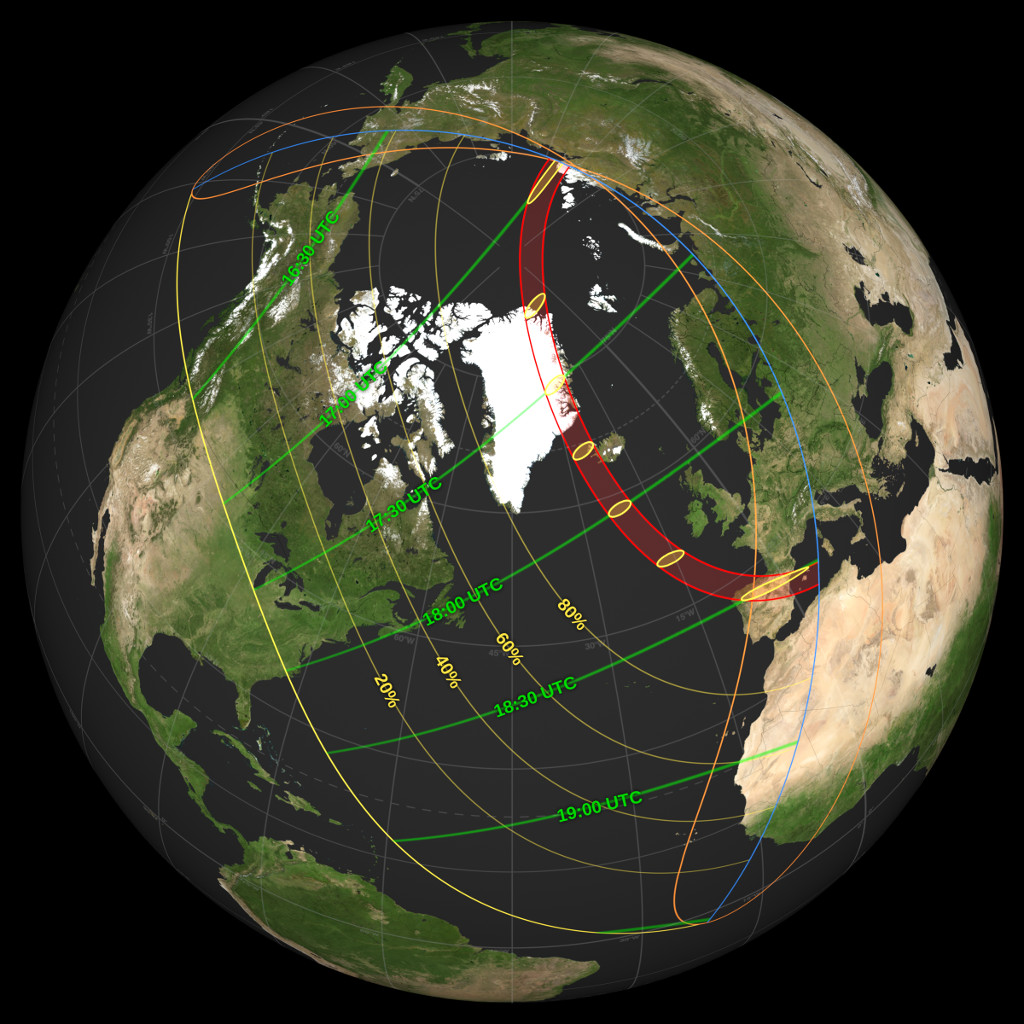
What you’ll see, and exactly when, depends on where you stand.
This is the one thing to plan around: in Spain, totality happens with the Sun only 3 to 12 degrees above the horizon. A building, a hill or a bank of haze to your west can hide the whole show.
Certified ISO 12312-2 eclipse glasses are mandatory for every partial phase, everywhere in Europe. Sunglasses, even stacked, are never safe.
Never point binoculars, a camera or a telescope at the Sun without a dedicated solar filter on the front of the instrument. Smart telescopes with a front solar filter (such as UNISTELLAR’s Smart Solar Filter) track the Sun automatically and show it on a screen, with no direct optical path to your eye.
Only inside the path, and only while the Sun is 100% covered, can you look with naked eyes. The instant a sliver of Sun returns, protection goes back on.
Just before and after totality, shimmering wavy lines of alternating light and dark appear on plain, pale surfaces. These “shadow bands” are caused by Earth’s atmosphere refracting the last few rays of sunlight.
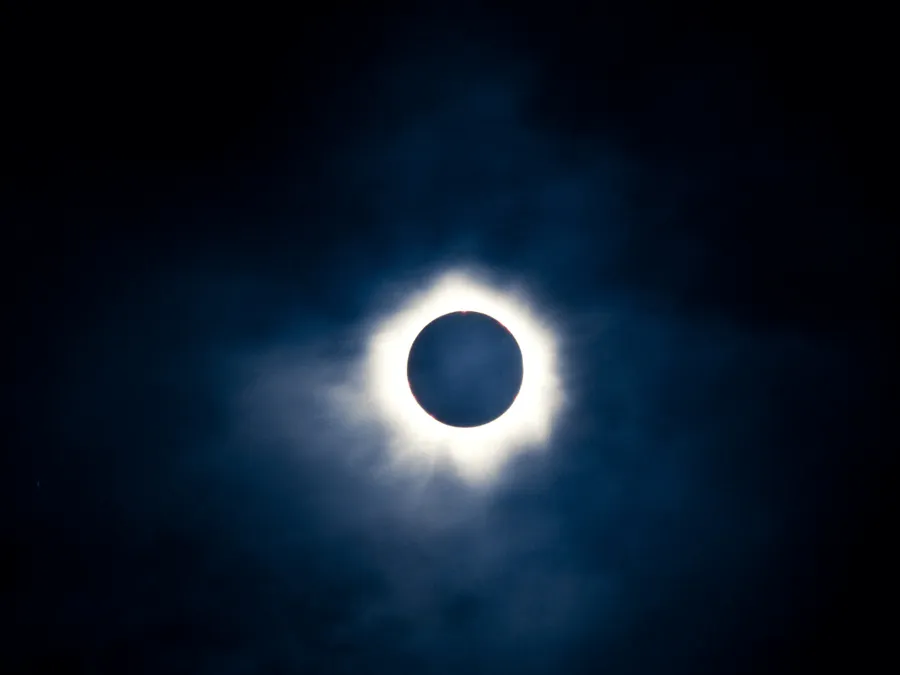
A total solar eclipse is the only time you can see the Sun’s corona (its outer atmosphere) with the naked eye. It appears as a pearly-white crown, with plasma streamers spreading outward into space.
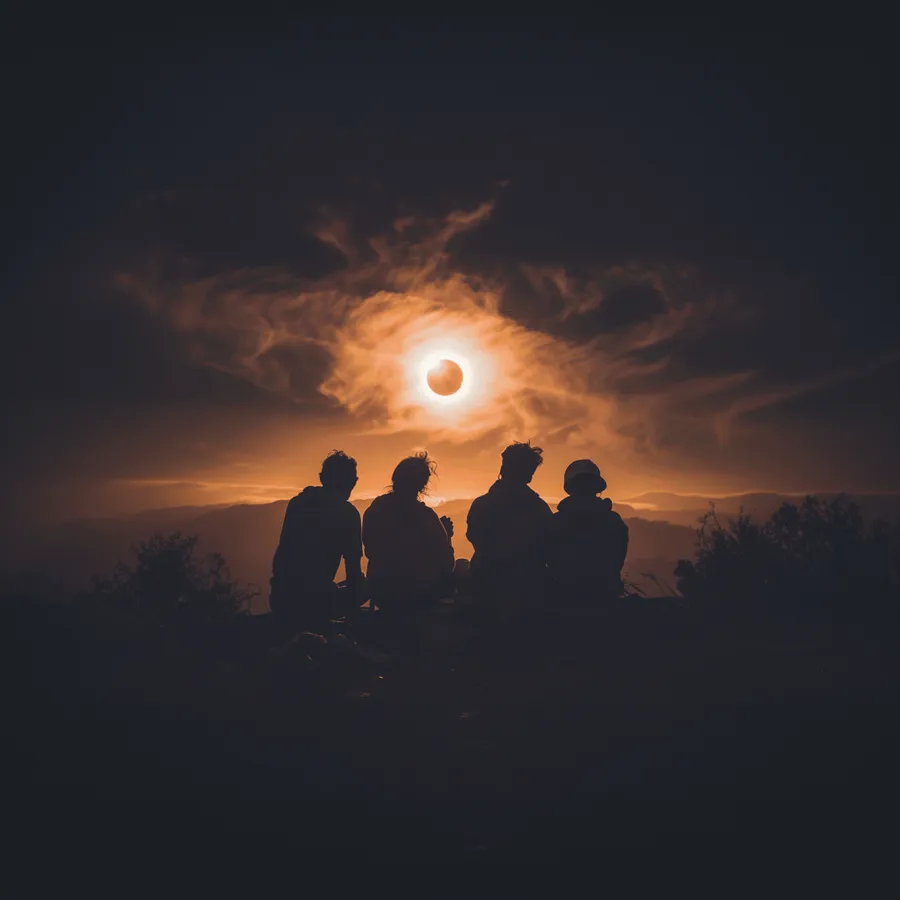
As the Sun disappears, the temperature can fall noticeably, sometimes by as much as 8°C (15°F) in a matter of minutes, creating a sudden and eerie twilight chill.
Yes, always. Anywhere the eclipse is partial (all of France, Germany, the UK…), some of the Sun’s surface stays visible the whole time, and looking at it without ISO 12312-2 certified eclipse glasses can permanently damage your eyes. Only people inside the path of totality may look with naked eyes, and only during the brief minutes of totality.
On Wednesday, August 12, 2026, in the evening for Europe. Totality crosses Iceland around 17:48 local time and northern Spain between roughly 20:27 and 20:33 CEST, shortly before sunset. The partial phases start about an hour earlier.
No, and this catches many people out. Madrid reaches 99.9% and Barcelona 99.8% coverage, but even 0.1% of Sun keeps daylight and hides the corona: it is a completely different experience from totality. Madrid sits just south of the path; about an hour’s drive north puts you inside it. From Barcelona, head towards Zaragoza or the coast north of Valencia.
Spain combines the best August weather odds on the path with easy access, but not all of Spain is equal: historically, cloud risk is around 15% over the Balearic Islands and 30% on the Mediterranean side, versus 75–80% on the Cantabrian (north) coast. The Sun is very low everywhere, so pick a spot with a clear view to the west-northwest: an inland viewpoint, high ground, or a west-facing shore. Iceland sees totality higher in the sky with famously unpredictable weather. Greenland is for expedition travelers.
The sky still turns dramatically dark during totality, an experience in itself. Mobile observers in Spain can chase gaps in the clouds: forecasts a few hours ahead are usually reliable enough to reposition along the path.
Yes, with care: cover the lens with a certified solar filter for all partial phases (and your eyes too). During totality only, remove the filter. Wide shots capturing the darkened landscape often turn out better than zoomed shots of the Sun itself.
Soon! On August 2, 2027, another total eclipse will cross southern Spain, North Africa and the Middle East, with a much longer totality (over 6 minutes near Luxor, Egypt).
Don’t miss it: add August 12, 2026 to your calendar.